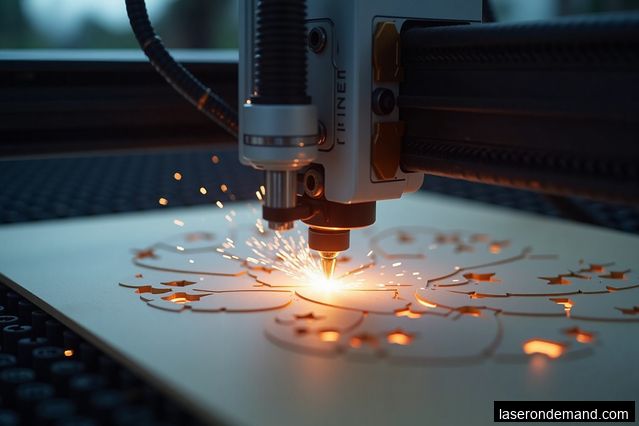
Maximizing Efficiency in Laser Cutting
Laser cutting has revolutionized the manufacturing industry with its precision and speed. To further enhance efficiency, companies can adopt eco-friendly practices that not only reduce waste but also minimize energy consumption. One such practice is the use of optimized nesting algorithms that maximize material utilization. By arranging parts in the most efficient way, less material is wasted, leading to cost savings and reduced environmental impact.
Implementing Energy-saving Measures
Another way to improve efficiency and sustainability in laser cutting is by implementing energy-saving measures. Upgrading to energy-efficient laser cutting machines can significantly reduce power consumption while maintaining high cutting speeds and quality. Additionally, utilizing motion sensors and automated shutdown systems ensures that machines are only active when needed, further reducing energy wastage.
Sustainable Material Selection
Choosing sustainable materials for laser cutting projects is an essential aspect of eco-friendly practices. Opting for materials with high-recycled content or those derived from renewable sources helps minimize the environmental footprint. Furthermore, using materials that are easily recyclable or biodegradable ensures that waste is managed responsibly. By making informed choices about the materials used, companies can contribute to a more sustainable future.
Reducing Chemical Usage
In laser cutting, the use of chemicals such as coolants and lubricants is common. However, by exploring alternative cutting methods and technologies, companies can minimize the reliance on these chemicals. For instance, fiber laser cutting, which utilizes solid-state lasers, eliminates the need for coolants altogether. This not only reduces chemical waste but also simplifies the disposal process and lowers operational costs.
Waste Reduction and Recycling
Efficiency and sustainability go hand in hand when it comes to waste reduction and recycling in laser cutting. Implementing effective waste management systems, such as segregating and recycling scrap materials, ensures that valuable resources are not lost. Additionally, companies can explore partnerships with recycling facilities to further maximize the recycling potential of laser-cut waste materials. By reducing waste and fostering a circular economy, laser cutting can become an even more sustainable manufacturing process.
Exploring Laser Cutting Residue Repurposing
Laser cutting residues, such as dust and fumes, can be repurposed or treated to minimize their environmental impact. Dust collection systems can capture particulate matter, which can then be used for other applications or safely disposed of. Similarly, fume extraction systems can effectively filter harmful gases, ensuring a healthier working environment and reducing air pollution. By finding innovative ways to repurpose or treat laser cutting residues, companies can contribute to a cleaner and more sustainable manufacturing industry.